When it concerns picking between main and ductless a/c systems, comprehending power expenses is vital. Central systems cool your entire home, resulting in potentially higher power usage. On the other hand, ductless systems deal zoned air conditioning, allowing you to target certain locations. This difference can significantly influence your monthly costs. However, there are other aspects to take into consideration, such as installment and upkeep costs, that can influence your total choice. Which system really offers the very best long-term savings!.
?.!? Key insights
- Central air conditioning systems cool down the whole home, frequently resulting in greater power costs contrasted to targeted cooling in ductless systems. Ductless mini-split systems allow for zoned cooling, decreasing power intake by only cooling occupied locations. Greater Seasonal Energy Effectiveness Proportion (SEER) ratings in main systems show prospective for lower operating expense versus ductless devices with Power Efficiency Proportion (EER) rankings. Ductless systems generally require much less maintenance and maintenance, adding to lower long-term operational expenses over time. Examining installation, maintenance, and energy use supplies a thorough view of general costs between both systems.
Understanding Air Conditioning Systems
When you take into consideration a central air conditioning system, it's important to recognize exactly how it runs and the parts involved. This system primarily depends on essential parts like the compressor, condenser, evaporator coil, and ductwork. The compressor circulates refrigerant, while the condenser launches warmth outdoors. The evaporator coil absorbs indoor warm, cooling down the air.
Airflow circulation plays a substantial role in effectiveness; properly developed ductwork guarantees even temperature level control throughout your home. If the air ducts are leaky or badly insulated, you'll encounter increased power costs and irregular air conditioning. Regular maintenance of these system components boosts performance and prolongs the system's life expectancy. By comprehending these fundamentals, you can better value just how central air systems influence your energy intake.
Discovering Ductless Mini-Split Systems
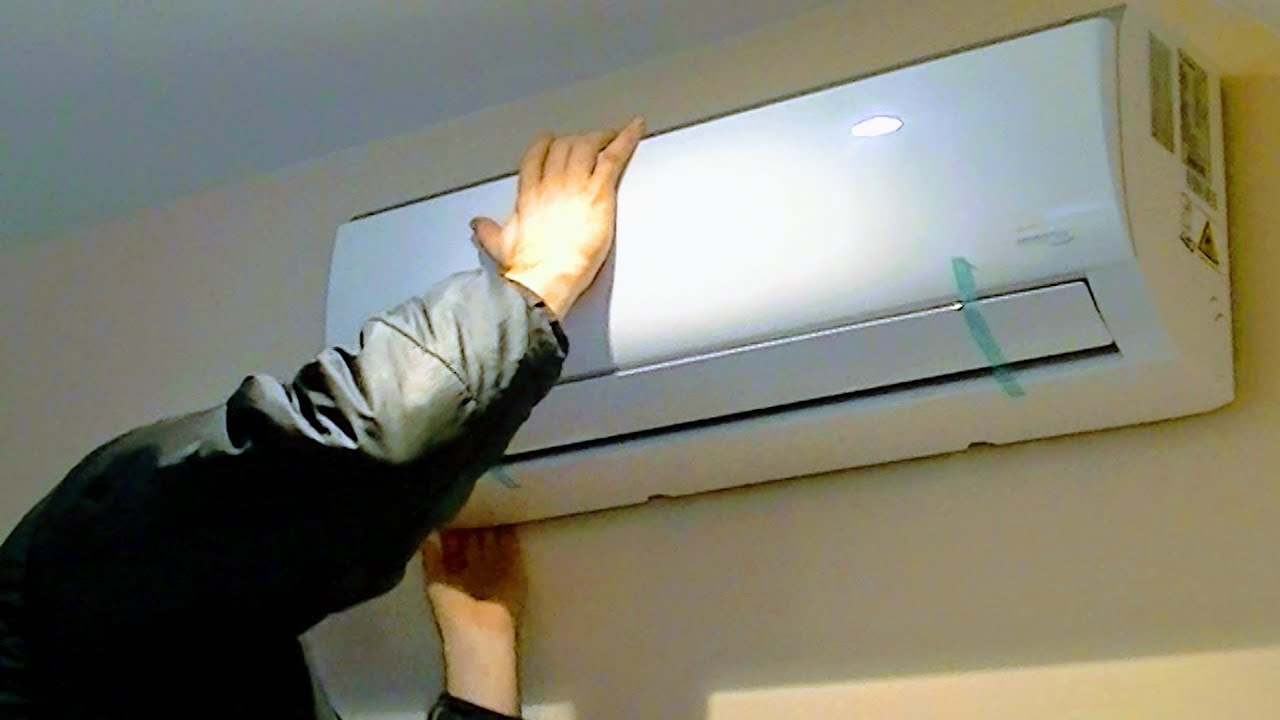
While air conditioning systems rely on comprehensive ductwork for air flow, ductless mini-split systems supply a different approach to air conditioning and home heating areas. These systems supply considerable advantages, including installment versatility that enables you to position systems where you need them most.
Think about these emotional benefits:
Boosted Convenience: You can maintain particular temperatures in individual spaces. Aesthetic Allure: Ductless systems are streamlined and inconspicuous. Energy Financial savings: They frequently take in much less power compared to typical systems. Easy Installment: Very little interruption makes the arrangement quicker and easier.Energy Performance Rankings and Performance
Understanding energy effectiveness rankings and performance is crucial for choosing an a/c system that satisfies your needs. When examining choices, concentrate on the Seasonal Power Efficiency Proportion (SEER) for central systems and the Power Efficiency Proportion (EER) for ductless units. Higher rankings suggest much better energy effectiveness, implying reduced operating expense and decreased ecological influence. Performance metrics additionally consist of cooling capability and air flow, which impact how successfully each system keeps your wanted indoor climate. Furthermore, think about how these systems carry out in differing temperatures, as effectiveness can fluctuate based upon exterior conditions. By analyzing these aspects, you can make an informed choice that balances convenience, energy financial savings, and overall efficiency.
Setup and Maintenance Costs
Although numerous house owners focus on power performance when selecting an air conditioning system, setup and maintenance prices are just as essential variables that can greatly influence your general financial investment. Various installation variables, such as the intricacy of your home's format and the need for ductwork, can significantly impact ahead of time prices. In addition, ductless systems frequently require much less intrusive setup, which might lead to lower expenditures.
When considering maintenance regularity, bear in mind:
Ductless systems typically need much less frequent servicing. Central systems might call for normal air duct cleaning. Unforeseen repairs can rise prices promptly. Warranty protection can differ, affecting long-term costs.Long-Term Power Savings Prospective
When examining air conditioning systems, it is crucial to take into consideration their long-term energy cost savings prospective, as this can significantly influence your general expense of ownership. Ductless air conditioning systems generally have reduced power usage due to their zoned cooling capacities, permitting you to cool just busy hvac repair specialists areas. This brings about substantial cost savings on your power bills with time. In contrast, main AC systems frequently cool your entire home, which can result in higher power use. A comprehensive expense analysis ought to consist of not just installment and maintenance prices however likewise an estimate of long-term energy expenses. Recognizing these variables will certainly aid you make an informed choice that balances preliminary investment and future financial savings, guaranteeing greater efficiency and value.
Frequently Asked Inquiries
Exactly How Do Seasonal Temperature Level Variations Affect Power Expenses for every System?
Seasonal temperature variations considerably impact energy expenses, particularly during temperature level extremes. You'll observe that systems with greater seasonal effectiveness rankings execute much better in fluctuating problems, decreasing energy consumption. During extreme heat or cold, the need on your system increases, bring about greater prices. Ductless systems usually master performance throughout moderate temperatures, while main systems may battle, leading to varying energy expenditures based on the period's needs and your particular climate problems.
Can I Utilize Both Systems Concurrently for Better Performance?
Yes, you can use both systems concurrently for better effectiveness. By leveraging a combined system performance, you can maximize air conditioning in different locations of your home. The twin operation advantages include lowered energy consumption throughout peak times and improved comfort degrees. For example, you may run the ductless system in occupied rooms while the main system maintains overall environment control. This technique can cause considerable savings on power prices gradually.
What Are the Ecological Impacts of Each Air Conditioning System Type?
When taking into consideration the environmental effects of different AC systems, you'll see that power performance plays a vital role. Ductless systems often have a smaller sized carbon impact because of their targeted air conditioning, minimizing power waste. In contrast, central air conditioner units can cause higher exhausts, especially if air ducts leakage. By understanding these differences, you can make enlightened selections that not only boost convenience but additionally lessen your ecological impact.
Just How Do Regional Environment Problems Impact System Efficiency?
Local climate conditions significantly affect your AC system's efficiency. In moist climates, systems might struggle to dehumidify properly, which can lead to pain and raised energy use. On the other hand, in completely dry climate areas, your system might run a lot more effectively, providing cooling without excessive moisture. Comprehending your location's moisture degrees and climate zone helps you select the appropriate system, guaranteeing ideal efficiency and convenience throughout the year.
Exist Any Type Of Offered Tax Obligation Credit Reports for Setting Up Either System?
Yes, there are typically tax rewards and power discounts available for installing energy-efficient heating and cooling systems. You should talk to your local government or energy service provider, as these programs can vary by location. Federal tax obligation credit scores might additionally apply, particularly for systems that meet specific energy effectiveness requirements. By taking advantage of these motivations, you can considerably counter your installment prices and promote eco-friendly techniques in your home.
Recap
To sum up, when you consider the energy sets you back of central versus ductless air conditioner systems, ductless units usually triumph. Their zoned air conditioning capacities permit you to cool down just occupied spaces, substantially reducing power usage and regular monthly expenses. While central systems cool the whole home, leading to greater costs, ductless systems commonly need much less upkeep, further improving their long-term energy savings possibility. Eventually, your option might considerably influence your energy costs and convenience.
